 Skip to content

Running for Weight Loss: A Realistic Guide for Overweight Runners
If you’re running to lose weight, you’re not alone—but most people approach it the wrong way.
They run too hard, burn out, don’t see results fast enough, and quit.
This guide is different.
It shows you how to use running as a tool for fat loss—without relying on extremes, crash diets, or unrealistic expectations.
Does Running Actually Help You Lose Weight?
Yes—but not for the reason most people think.
Running helps by:
- increasing daily calorie burn
- improving metabolism over time
- supporting consistency
But weight loss comes from: CALORIE BALANCE + CONSISTENCY
Running can accelerate the process – it doesn’t replace it.
Why Most Runners Don’t Lose Weight
There are some basic dietary rules and training practices that will apply no matter your training goal.
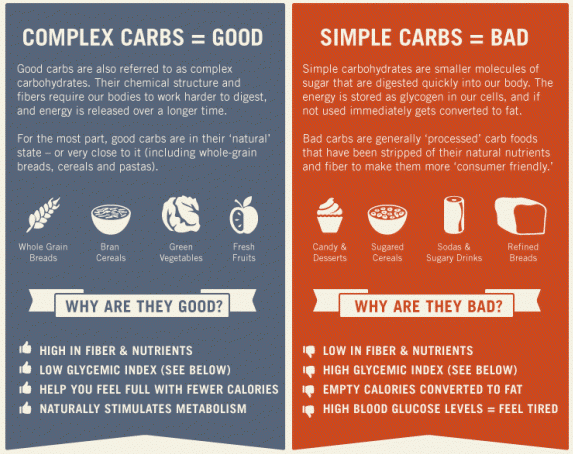
For instance, your diet should always include natural foods while limiting the amounts of processed foods.
This is something most people know intuitively. But in our fast-paced world, it’s easier and cheaper to consume processed foods. Natural and fresh foods are just better for you. Period.
Some Common Mistakes in a Running Fat Loss Plan
New chubby runners can experience these weight loss mistakes:
- Eating back all calories burned
- Inconsistent schedule
- Running too intensely → burnout
- Ignoring nutrition
Here’s the truth from a chubby runner – You can run 3 – 4 times per week and still gain weight if your habits don’t support it.
The Best Running Strategy for Fat Loss
When choosing fat loss over fitness, check out the Mayo Clinic’s recommendation to eat and train accordingly. It’s a combination of exercise and nutrition.
Fat Loss Goal
When fat loss is your goal, you should count the calories you consume, estimate your calorie burn, and ensure that you end each day with a slight deficit.
The optimal deficit range is between 300 and 500 calories per day. If you eat any less, you’ll be hungry, and that sucks. Any larger calorie deficits can be more damaging, resulting in less fat loss and more muscle loss.
I read a recent study where one group of subjects:
- First group. Cut their calorie intake by 700 calories a day.
- Second group. Cut theirs by only 300 calories a day.
Guess what happened? The first group lost more total weight; however, roughly 50% of the loss was fat, and the rest was lean body mass.
On the other hand, the second group with only a 300-calorie deficit had less total weight loss, but approximately 91% of that loss was fat.
The Winning Formula for Fat Loss Goal
3–4 runs per week
Mostly an easy pace
30–45 minutes
Why does this work?
- Burns fat efficiently
- Sustainable
- Reduces injury risk
Fat loss rewards consistency—not intensity.
How to Combine Running and Nutrition for Maximum Results
A few years ago, a friend of mine invited me to train for a half-marathon with him. I had previously run a couple of full marathons and already overcome the mental hurdles of whether or not I could run, so I thought, “Sure, that would be fun.”
When I was in the midst of my half-marathon training, things weren’t going smoothly. It seemed like I was working against myself in some way.
It seemed so much harder than before. I was fatigued and sluggish. I wasn’t seeing any improvement in fitness.
As I thought about it, I realized that I was also trying to lose weight. I had been away from the marathon training game for a while and put on some excess weight. I thought that I could cut calories while training and lose a ton of weight. That assumption, sadly, was false.
Running alone won’t create a transformation.
Nutrition Tips to Focus on for Fat Loss
- Slight calorie deficit (not extreme)
- Protein intake
- Limiting liquid calories
You don’t need a perfect diet—just consistent habits.
Timeline: What to Expect
When you’re training hard, it’s vitally important that you consume enough good calories to enable your body to meet the demands of your training runs.
The downside of this is sub-par training performance, increased injury risk, mental discouragement, and frustration.
Weekly and Monthly Breakdown
Week 1 – 2
- Better energy
- Improved breathing
Week 3 – 4
- Increased endurance
- Small weight changes
Month 2 – 3
- Noticeable fat loss
- Improved Body composition
Most people quit before they can see their full body transformation.
Running vs. Walking for Weight Loss
Both running and walking will work for weight loss.
How Walking Helps Weight Loss
- Easier to sustain over the long-term
- Lower risk of injury (less impact on joints)
Why Running Can Help with Fat Loss
- Higher calorie burn
- Faster results, if you remain consistent and injury-free
The best approach is to combine walking and running.
Avoid These Common Mistakes That Kill Fat Loss Goals
- Doing only cardio
- No structure
- Chasing sweat instead of consistency
- Skipping rest days
- Expecting fast results
Fat loss is often a slow, long game.
How to Break Plateaus
With any training or diet plan, you will see quick results at the beginning, and then a stall or plateau where it seems like you’re not progressing. This is normal and very common.
Here are some things you can do to break through those stalls to start progressing again:
- Increase time, not intensity
- Tighten nutrition slightly
- Add 1 extra weekly run
These small adjustments don’t seem like much, but they will push your body through the plateau to see drastic results again.
The Mental Side of Weight Loss Running
Believe it or not, your mindset has a lot to do with your progress in weight loss running. Your mind controls your motivation, drive, resilience, and overall outlook on life. A positive mindset will take you far.
Motivation will fluctuate day to day, so here are some things to keep you going strong even when you don’t want to:
- Routine over motivation
- Realistic expectations
- Focusing on progress, not perfection
FAQ Section
Is running enough to lose weight?
Not alone—nutrition matters.
How often should I run to lose weight?
3–4 times per week is ideal.
How long before I see results?
Typically, 4–8 weeks with consistency.
Choose a Structured Plan
If you want a plan that combines a running and fat loss strategy, check out the following:
Weight Loss Plan for Overweight Runners
Beginner Running Program
Daily Calorie Calculator